Your garage door cables help lift and balance the door every day, yet most homeowners only notice them when something goes wrong. These steel wires work with the springs to manage heavy tension and keep the door moving smoothly. When cables begin to wear, fray, or lose alignment, it is a severe warning. Ignoring these signs can lead to sudden failure, damage to components, and real safety risks for anyone near the door.
Mechanical strain often manifests before a complete breakdown, as evidenced by changes in how the door sounds and moves. A jerky motion, grinding or popping noises, a door that feels heavier, or an opener that seems to work harder than usual are all signs that the system is under tension it should not have. Recognizing these early signals and scheduling a professional inspection helps prevent cable failure, protects your garage door hardware, and keeps your home safer.
Understanding Mechanical Strain in Garage Door Operation
Mechanical strain occurs when any part of the garage door system has to work harder than it should. Springs, cables, and the opener all share the lifting load, and when spring tension is incorrect, the cables end up carrying more weight than designed. This added tension can quickly lead to cable damage or failure. If a cable becomes loose, detached, or appears worn, it may seem easy to reattach it yourself. Still, because cables operate under high tension, a professional should always handle repairs to ensure safety.
Balanced cable operation depends on correct spring tension, which is adjusted using winding bars by trained experts. Improper handling can be hazardous and may cause a sudden system failure. This is why repairing or replacing garage door cables is not a simple task for most homeowners and requires expert skill to complete safely.
To better connect these strain issues with early cable damage before it turns serious, many homeowners also read What Are the Warning Signs of Garage Door Cable Failure?
What Mechanical Strain Looks Like in Everyday Use
A garage door in proper condition moves smoothly and quietly. When strain develops, the signs become noticeable. Grinding or scraping sounds suggest parts are misaligned or rubbing, often due to cable or spring issues. Choppy, jerky, or hesitant movement is another sign that tension is uneven or that the opener is working harder than it should.
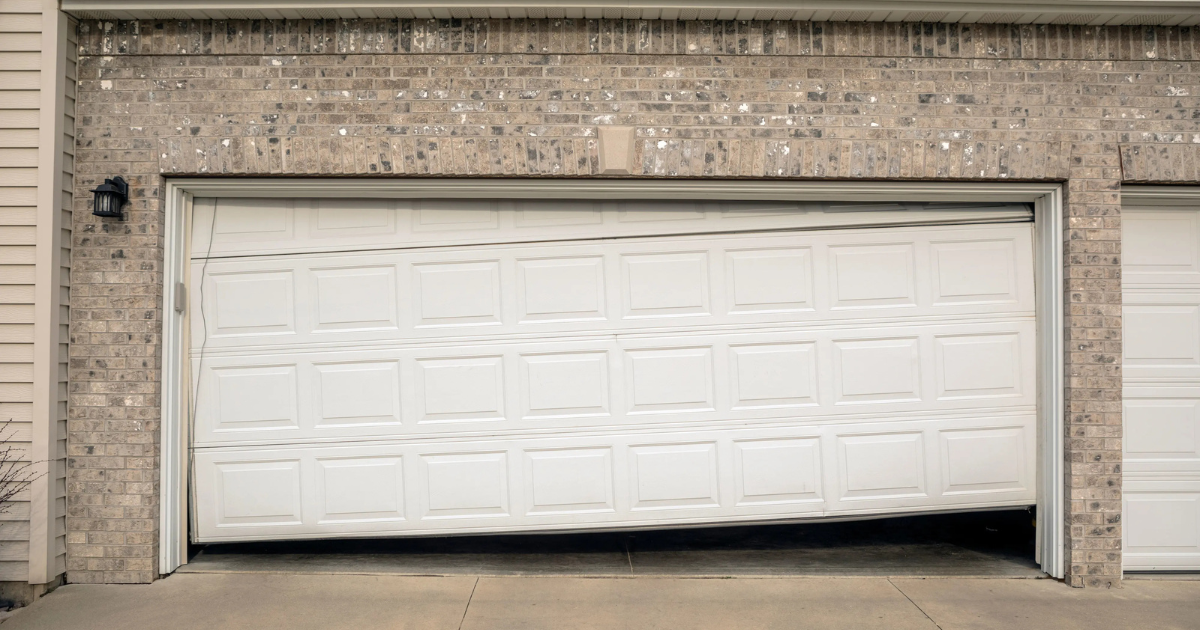
You may also notice the door lifting unevenly, tilting to one side, or struggling to stay open—clear indications that one cable is carrying more load than the other. These symptoms should never be ignored, as they point to worn or damaged cables that may soon fail.
If damaged cables need replacement, high-quality cables are available at hardware stores, home improvement centers, or reputable online suppliers. However, because springs and cables are under significant tension, installation should still be performed by a trained professional to avoid injury or further damage to the system.
If you want a clearer picture of how these everyday symptoms tie into visible alignment problems, be sure to read How to Recognize Garage Door Imbalance and Uneven Lifting.
Why Early Detection Matters for Houston Homeowners
Spotting mechanical strain early protects both your garage door system and your household. Addressing cable wear at the first signs is far more affordable than replacing multiple damaged parts after a significant failure. Acting quickly helps prevent sudden door collapse, which can damage your vehicle or other property.
Because garage doors rely on high tension, a snapping cable can pose an immediate hazard. Treating early warning signs seriously helps reduce:
- Sudden and unsafe door failure
- High repair costs from damaged tracks, panels, or the opener
- The risk of severe injury
- Emergencies where your vehicle becomes trapped
- For Houston homeowners, timely professional service is the safest choice when signs of mechanical strain appear.
For a deeper look at how ongoing wear can quietly push your system toward sudden failure, you can also read How Cable Wear Puts Your Garage Door at Risk of Sudden Breakdown.
Common Causes of Mechanical Strain in Garage Doors
Mechanical strain usually comes from hidden problems in the garage door system. One of the most common is incorrect or weakened spring tension. When torsion or extension springs are not set correctly or begin to wear out, they no longer support the door’s weight. That forces the cables and opener to work harder every time the door moves.
Misalignment also plays a major role. If cables are installed incorrectly on the cable drum or drag against hardware, they can thin, fray, and wear out prematurely. Poor original garage door installation, wrong spring size, or misaligned tracks all increase strain and lead to repeat repairs.
Faulty Garage Door Cable Repair and Its Impact
Improper cable repair often makes mechanical strain worse instead of better. Replacing a broken cable without addressing the root cause—such as incorrect spring tension or misaligned hardware—will likely result in the new cable failing again.
Correct cable tension is crucial. Cables that are too loose can slip off the drums, while cables that are too tight overload the garage door opener and other parts. Balancing this tension safely requires a trained technician using professional tools. An improperly secured cable can snap without warning, so DIY cable repair is not recommended for homeowners. Professional service helps restore safe operation and reduces the chance of repeated failures.
Incorrect Garage Door Installation Issues
A reliable garage door system starts with proper installation. If the tracks are misaligned, the wrong spring size is used, or hardware is not tightened correctly, the system will experience extra tension from day one. That often shows up later as early cable wear, frequent cable replacement, or ongoing imbalance.
Drums, brackets, and other parts rely on set screws to hold them in position. If these are not adjusted and tightened correctly, parts can shift over time, causing cables to rub, drag, or slip off the drum. This constant rubbing causes mechanical strain and significant wear.
Having an expert handle garage door installation ensures spring tension, track alignment, and set screws are all set correctly. Quality installation reduces future repair needs and helps cables and springs last longer.
Wear and Tear on Springs and Hardware
Garage door springs are designed for a limited number of cycles. As they age, torsion and extension springs lose strength and can no longer properly support the door. When that happens, the garage door cable and opener must handle more load, increasing the risk of sudden cable failure.
If you hear the opener working harder, slowing down, or making louder noises, the motor may be under heavy load rather than failing. Springs and cables work as a team: when one is weak, the other is overworked.
Regularly checking for rust, spring gaps, or sagging cables—and scheduling a professional inspection when you notice changes—helps keep the whole system balanced and reduces the risk of unexpected breakdowns.
For a practical checklist on how lubrication, hardware checks, and balanced operation can reduce this kind of wear, Angi’s garage door maintenance guide outlines simple homeowner steps to support longer-lasting springs, cables, and openers.
Warning Signs That Indicate Mechanical Strain
Your garage door usually gives clear signals before a serious problem happens. Noticing early signs of mechanical strain helps you avoid a broken cable and keeps the door operating smoothly. You may hear changes in sound, see changes in how it moves, or spot cable wear during a quick visual check.
By paying attention to these small changes, you can catch cable and tension issues before they turn into major damage. Here are the main warning signs that mean it is time to schedule a professional inspection.
Unusual Noises During Door Movement
A garage door in good condition should move smoothly and produce a moderate, steady noise from the opener. New or louder sounds are often the first warning. Grinding, scraping, or screeching can mean parts are out of alignment, a cable is rubbing, or spring tension is incorrect.
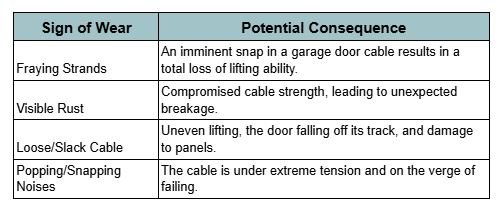
Popping or snapping noises are more serious and may indicate that a cable or spring is approaching failure. Listen for:
- A loud bang (possible snapped spring or cable)
- Grinding sounds (metal parts rubbing)
- Squeaking or groaning (need for lubrication or excessive tension)
- Rattling (loose hardware)
Any of these sounds is a reason to stop operating the door and call a professional.
Today’s Homeowner notes that grinding, popping, and scraping sounds usually come from friction, loose hardware, or spring imbalance, all common sources of mechanical strain that can precede cable failure.
Jerky or Hesitant Door Movement
A healthy door should travel in one smooth, even motion. If it starts and stops, shakes, or moves unevenly, there is likely a mechanical issue. This often means the system is struggling to lift the door, and that cable operation or spring tension is off.
If one side rises faster than the other, the door may appear crooked and can even come off the tracks. The opener may also appear to work harder or slow down, which can prematurely wear out the motor. Jerky or rough movement is your garage door’s way of saying it needs attention soon.
Cables Appearing Frayed or Loose
A quick visual inspection is one of the easiest ways to catch cable problems. Inspect the cables on both sides of the door with it closed. If you see frayed areas with small broken wires, that cable is weakened and at higher risk of snapping.
Loose or slack cables are just as serious. Both cables should be tight when the door is down. A hanging cable no longer supports its share of the load, forcing the other cable to carry additional tension.
Frayed or loose cables are strong warning signs that failure may be close. Do not attempt to adjust them yourself. Contact a garage door professional right away to restore safe, balanced operation.
How Mechanical Strain Affects Overall Garage Door Performance
Mechanical strain rarely stays in one place. When the cable operation is off, spring tension changes, and the opener, rollers, and tracks all work harder than designed. Over time, this extra load spreads through the entire system, reducing performance and increasing the risk of sudden failure.
A small issue, such as minor cable wear, can quickly lead to bent tracks, a burned-out opener motor, or a broken torsion spring. Addressing strain early helps keep your garage door operating smoothly and protects every major part of the system.
Increased Risk of Sudden Cable Failure
Unchecked mechanical strain significantly increases the risk of a sudden cable failure. Constant load weakens the steel strands until failure becomes likely. When a cable breaks, the door can drop without warning, creating a serious safety hazard and causing major property damage.
Because springs and cables hold heavy tension, garage door cable replacement is not a safe DIY task. Trained technicians know how to handle tension and secure the door during repair. Ignoring visible wear is effectively accepting the risk of sudden failure.
Reduced Lifespan of Garage Door System
Mechanical strain is like a long-term illness for your garage door system. It slowly wears down springs, cables, rollers, hinges, and the opener motor, causing parts to fail earlier than they should. When cables are under constant strain, every related part works harder and wears out faster.
Operating the door this way means more frequent repairs and higher long-term costs. Cables that should last for years with regular maintenance may fail in half the time under continuous overload. Addressing cable wear promptly helps extend the lifespan of the entire system and keeps your door reliable for everyday use.
Safety Hazards for Texas Residents
A garage door is usually the heaviest moving system in a home, and it operates with significant force. When a cable fails, nothing may remain to support the door, allowing it to drop suddenly. This can seriously injure anyone underneath and damage vehicles or stored items.
Attempting to handle high-tension parts without training is extremely risky. Springs can release energy suddenly, sending parts flying. Texas homeowners should act quickly when they notice warning signs such as severe imbalance, loud bangs, or visibly damaged cables. Key dangers include:
- A door dropping fast without warning
- Family members or pets becoming trapped under a falling door
- Injury from mishandled high-tension springs and cables
- Damage to vehicles and belongings in the garage
The safest way to resolve garage door cable issues is to contact a professional who can secure the door, manage tension correctly, and restore safe operation.
Understanding how mechanical strain affects garage door cables is essential for preventing sudden failures, protecting your property, and avoiding costly repairs. Regular maintenance and early attention to unusual noises, rough movement, or visible cable wear help keep the entire system operating safely and efficiently for years.
Premium Garage Door Repair provides professional support to ensure your garage door operates smoothly and remains reliable. If you notice signs of strain or suspect cable issues, contact us or give us a call to schedule service. Taking action now helps maintain a safer, more reliable garage door system and gives you lasting peace of mind.
Frequently Asked Questions
How long do garage door cables last before they need repair?
Garage door cables typically last around 5–10 years, depending on usage, local climate, and maintenance. Heavy use, humidity, and lack of regular inspection can shorten their life. Have a professional check cable condition and tension regularly to catch wear before failure.
Is it safe to attempt garage door cable repair without professional help?
No. Garage door cables carry high spring tension. Working on them without proper tools, training, and safety procedures can leave a homeowner seriously injured. Always contact a professional for any repair involving cables, springs, or tension adjustments.
Where can I find quality corrosion-resistant garage door cables in Houston, TX?
You can find corrosion-resistant cables from reputable garage door service companies, local hardware or home improvement stores, and trusted online suppliers specializing in garage door parts. For safety and correct sizing, it is wise to have a professional select and install the cables.
How much does it typically cost to repair or replace garage door cables?
Prices may vary based on your door size, spring system, level of damage, and local labor rates. A minor adjustment usually costs less than a complete replacement. Scheduling expert service early can help prevent additional repairs to springs, tracks, or the opener.
Are there specific signs that my garage door cable needs repair?
Yes. Fraying strands, rust, kinks, or slack cables are clear warning signs. You may also notice jerky movement, uneven lifting, or loud noises during operation. If you see or hear these issues, schedule professional service right away.
Can I reconnect a loose or detached garage door cable myself?
You should not. A loose cable usually indicates incorrect spring tension, which is dangerous to handle without training. A professional technician can determine why the cable detached, reset tension safely, and restore reliable operation.
What is the most common problem with garage doors?
One of the most common problems is improper balance from worn or broken springs. When spring tension is not correct, cables and the opener must work harder, which can lead to premature cable wear, opener failure, and uneven lifting.
Will the garage door open if the torsion spring is broken?
Usually not. Without torsion spring support, the door is extremely heavy for both the opener and the homeowner to lift. Operating it in this condition can be unsafe. Leave the door closed and contact a professional for spring replacement.
How do I know if my garage door motor is burned out?
If the opener hums but the door does not move, or you notice a burning smell, the motor may be damaged. A unit that does not respond to any controls is another sign. First, check the breaker and emergency release before calling a technician.
How can I reduce mechanical strain on my garage door cables?
Schedule regular professional maintenance, keep tracks clean, have springs and cables inspected, and address imbalance or unusual noises early. Ensuring correct spring tension and cable alignment lowers mechanical strain and helps cables, springs, and the opener last longer.