When a garage door emergency release is not working, it can quickly turn into a stressful situation, especially during a power outage or severe storm. The emergency release (often the red manual release cord) is designed to disconnect the garage door from the automatic garage door opener system so the door can be operated safely by hand when the motor is not functioning.
In Sugar Land, TX, garage door systems and garage door opener components face intense summer heat, high humidity, and frequent storm activity. These environmental conditions can accelerate wear on springs, tracks, opener gears, and electronic parts, making emergency release problems more common than many homeowners realize.
Below are the most common reasons the emergency release may fail, what to safely check, when to stop troubleshooting, and how to prevent issues affecting both the garage door and the garage door opener in the future.

The Emergency Release Is Not Fully Engaged or Disengaged
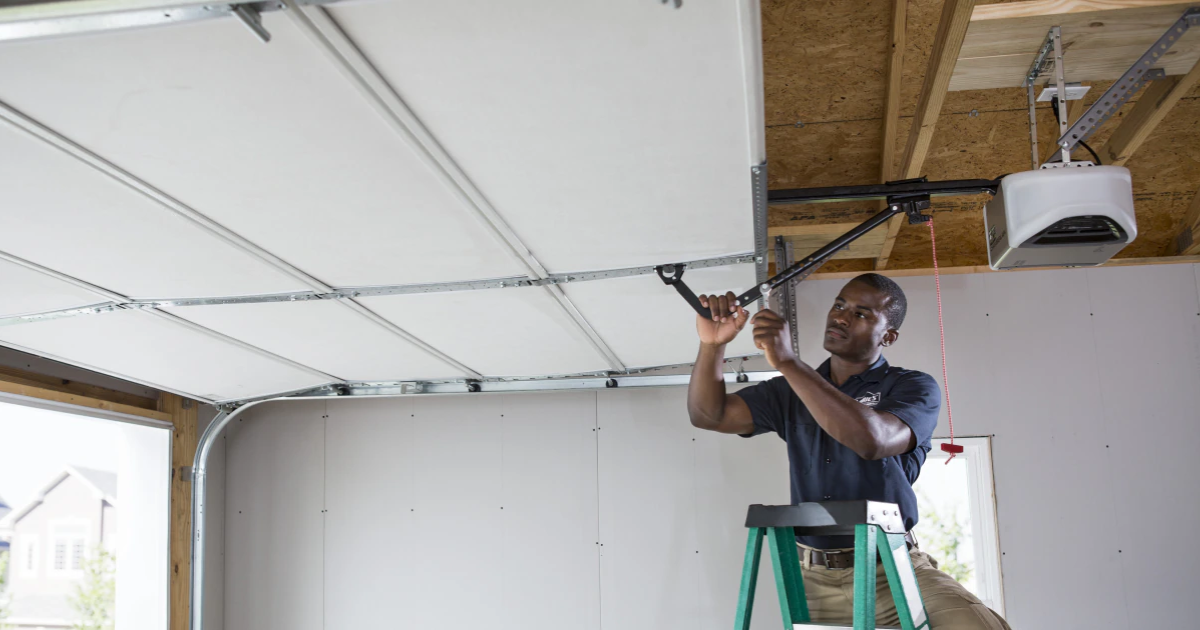
The red emergency handle connects to the trolley carriage on the opener rail. When pulled, it disengages the garage door from the motorized system.
Sometimes the trolley becomes stuck between the locked and unlocked positions.
Why This Happens
- The disconnect lever is misaligned
- The trolley carriage is jammed on the opener rail
- The cord was pulled at an angle
- Lack of lubrication on the rail
What to Check
- Is the red cord hanging straight down?
- Does the door move freely by hand?
- Is the trolley centered and aligned on the rail?
In Sugar Land’s humid climate, minor rust or friction can prevent smooth movement. Forcing the release can damage internal components.
For a complete explanation of how the system functions and when it should be used, read Garage Door Emergency Release: How It Works & When to Use It.
A Broken or Weakened Garage Door Spring
One of the most common reasons a garage door won’t disengage properly is a broken torsion spring or extension spring.
Garage door springs carry most of the door’s weight. If one fails, the door becomes extremely heavy.
Signs of a Spring Problem
- A visible gap in the torsion spring
- A loud snapping sound before the issue began
- The door slams shut quickly
- The door feels unusually heavy after pulling the release
Safety Warning
Garage door springs operate under high tension. Attempting to adjust or replace them without proper tools can result in serious injury.
Heat and humidity in Sugar Land can speed up corrosion and metal fatigue if annual garage door maintenance is skipped.
Average repair cost: Spring replacement is typically a moderate to higher investment, depending on door size and system type.
For guidance on the proper timing and safe situations for disengaging the system, see When Should You Pull the Garage Door Emergency Release?
The Garage Door Is Off Track
If the garage door is off track, the rollers may bind against the metal track, preventing smooth manual movement after the emergency release is pulled.
Common Causes in Sugar Land
- Vehicle bumping the door
- Storm debris impact
- Track expansion due to extreme heat
Warning Signs
- Crooked or uneven door
- Grinding or scraping noises
- Rollers partially outside the track
- Uneven gaps along the sides
If the door appears misaligned, discontinue use immediately. Operating an off-track garage door can cause additional structural damage.
To understand alternative access options in this situation, read Can You Open a Door Without the Garage Door Emergency Release?
Rust, Dirt, or Lack of Maintenance
Sugar Land’s Gulf Coast humidity creates ideal conditions for rust formation. Over time, debris and corrosion can affect:
- The opener rail
- The trolley carriage
- The disconnect lever
- Garage door tracks
What to Inspect
- Rust on the opener rail
- Dirt buildup in tracks
- Dry or squeaky rollers
- Stiff movement when lifting manually
Lubricating moving components twice per year helps reduce friction. Professional garage door maintenance in Sugar Land typically includes lubrication, alignment checks, and a full system inspection.
Neglected maintenance is a leading cause of a stuck garage door release.
A Damaged Opener Trolley or Carriage Assembly
If the emergency release cord pulls but nothing disconnects, the internal trolley mechanism may be damaged.
Symptoms
- The cord pulls with little resistance
- The opener motor runs, but the door does not move
- Grinding noise inside the opener housing
The carriage assembly contains gears and moving parts that wear over time, particularly in high-heat environments like Texas.
Average repair cost: Carriage replacement is usually a moderate repair investment. In some cases, opener replacement becomes necessary, which is a higher investment.
The Emergency Release Cord Is Broken or Detached
In some cases, the manual release cord itself may be frayed, snapped, or disconnected.
What to Look For
- The red handle is missing
- The cable appears loose
- The cord pulls without engaging the mechanism
Temporary rope substitutions should be avoided. The release cord must be properly attached for safe operation.
Power Outage Confusion
During a power outage, the emergency release is commonly used. However, pulling the release while the door is not fully closed can create alignment issues.
Storm season in Sugar Land often brings short-term power interruptions. A garage door opener with battery backup can reduce unnecessary disengagement and maintain system alignment.
The Door Is Manually Locked
Some garage doors include slide locks or keyed locking systems. If engaged, the door may appear stuck even after pulling the emergency release.
What to Check
- Interior slide lock bars
- Exterior keyed lock
- Side latch mechanisms
Confirm the door is unlocked before assuming mechanical failure.
Warped or Damaged Garage Door Panels
Extreme Texas heat can cause gradual expansion in metal panels. Impact damage can also cause warping, leading to track friction.
Signs of Panel Issues
- The door sticks halfway
- Uneven frame gaps
- Visible bending or cracks
- Increased resistance during manual lifting
Panel damage can prevent smooth operation even when the release functions properly.
Lack of Professional Inspection
Many emergency release failures stem from small mechanical issues that were never addressed.
Annual garage door maintenance should include:
- Spring tension testing
- Track alignment inspection
- Roller and hinge evaluation
- Opener force adjustment
- Safety sensor alignment
- Full lubrication of moving parts
Regular inspection helps prevent minor issues from developing into major system failures.
What to Check Before Scheduling Garage Door Repair in Sugar Land, TX
Before contacting a professional, safely review the following:
- Confirm power is fully disconnected
- Inspect for visible spring gaps (do not touch)
- Check for track obstructions
- Verify manual locks are disengaged
- Test whether the door feels balanced
If the door feels extremely heavy, discontinue troubleshooting immediately.
If repeated problems occur or the system shows signs of severe wear, a full system evaluation may determine whether repair or new garage door installation is the safer long-term solution.
When to Stop Troubleshooting
Professional service is recommended if:
- The door is off track
- A loud snap was heard
- The door feels unusually heavy
- Cables appear loose or frayed
- There is a burning smell from the opener
If the system is misaligned, garage door off track repair should be handled by a trained technician to prevent further structural damage and ensure safe realignment.
Garage doors are the largest moving system in most homes. Improper handling of high-tension components can result in serious injury.
How to Prevent Emergency Release Problems in Sugar Land
Schedule Annual Garage Door Maintenance
Routine garage door maintenance performed by a qualified professional reduces corrosion, misalignment, and premature wear. Annual inspections help identify small spring, track, and opener issues before they affect the emergency release system.
Install a Battery Backup Garage Door Opener
Battery backup systems allow operation during outages, reducing unnecessary strain on the emergency release during Sugar Land’s storm season.
Lubricate Moving Parts Twice Per Year
Apply garage door lubricant to:
- Rollers
- Hinges
- Springs
- Bearings
Proper lubrication is a key part of preventive garage door maintenance and helps ensure smooth manual and automatic operation.
Keep Tracks Clean and Clear
Remove dust and debris carefully to prevent roller binding and alignment issues that could interfere with the release mechanism.
Address Warning Signs Early
Seek professional inspection if noticing:
- Jerky door movement
- Grinding or popping noises
- Delayed opener response
- Unexpected door reversal
Early action and consistent garage door maintenance prevent larger mechanical failures and protect the full garage door system.
Why Early Action Prevents Bigger Garage Door Repairs
When a garage door emergency release is not working, it is usually a symptom of a deeper mechanical issue, not simply a faulty cord.
Sugar Land’s heat, humidity, and storm activity can accelerate wear on springs, tracks, and opener systems. Preventive maintenance plays a critical role in keeping the entire garage door system operating safely and reliably.
If resistance feels abnormal, the door becomes heavy, or alignment appears off, professional evaluation is the safest next step. Addressing issues early helps protect both the garage door system and household safety.
Dependable Garage Door Solutions in Sugar Land, TX
For homeowners in Sugar Land, TX, Ingenious Garage Door Services provides thorough inspections, accurate diagnostics, and dependable garage door repair and maintenance services tailored to local climate conditions. From spring issues to opener problems and track alignment concerns, our experienced technicians focus on long-term reliability and safety. If unusual symptoms appear or the emergency release is not functioning properly, contact us today or give us a call to keep your system operating smoothly and securely.